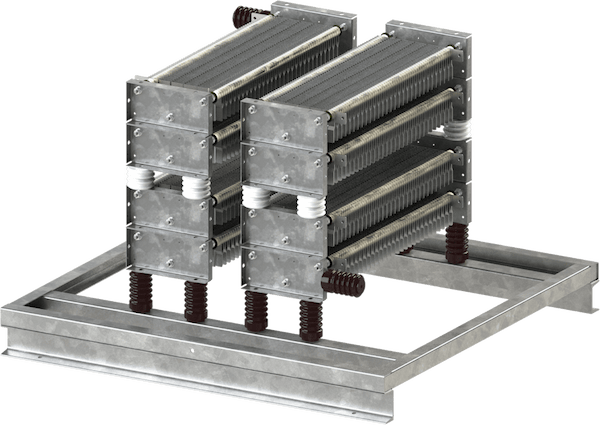
NEUTRAL EARTHING RESISTORS //
Neutral Earthing Resistors
Neutral Earthing Resistor (NER): Complete Guide to Selection, Specification, and Requesting a Quote
Information Needed to Get a Neutral Earthing Resistor Quote
One of the most common mistakes buyers make is requesting a quote without providing complete technical information. Manufacturers use the following details to design and size the resistor correctly.
1. System Voltage (kV)
The system voltage is the starting point for every NER design.
Typical system voltages include:
- 3.3 kV
- 6.6 kV
- 11 kV
- 22 kV
- 33 kV
The resistor is designed for the phase-to-neutral voltage rather than the line-to-line voltage.
2. Rated Fault Current (Amps)
Specify the maximum earth fault current that the NER must limit.
The selected current must satisfy both equipment protection requirements and protection relay coordination.
3. Short-Time Rating (Seconds)
Most neutral earthing resistors are rated for:
A 10-second rating is widely used because it provides sufficient time for fault detection and clearing while maintaining a practical resistor size.
4. Continuous Current Rating
Many NERs are intended only for intermittent fault conditions. If the resistor must carry current continuously, this must be specified during the quotation stage. Continuous current requirements typically affect resistor size, material selection, and pricing.
5. Resistance Value (Ohms)
Resistance is usually determined from:
- System voltage
- Desired ground fault current
The resistance value directly controls fault current magnitude and protection performance.
6. Enclosure Requirements
Environmental conditions play a major role in NER design.
Enclosure IP Rating
The most frequently specified ingress protection ratings are:
IP23
Suitable for many indoor and sheltered outdoor installations where ventilation is required.
IP54
Provides increased protection against dust and water ingress for harsher outdoor environments.
When requesting a quote, clearly indicate whether the installation will be:
- Indoor
- Outdoor
- Coastal
- Mining
- Industrial processing environment
Enclosure Material
Most industrial customers specify:
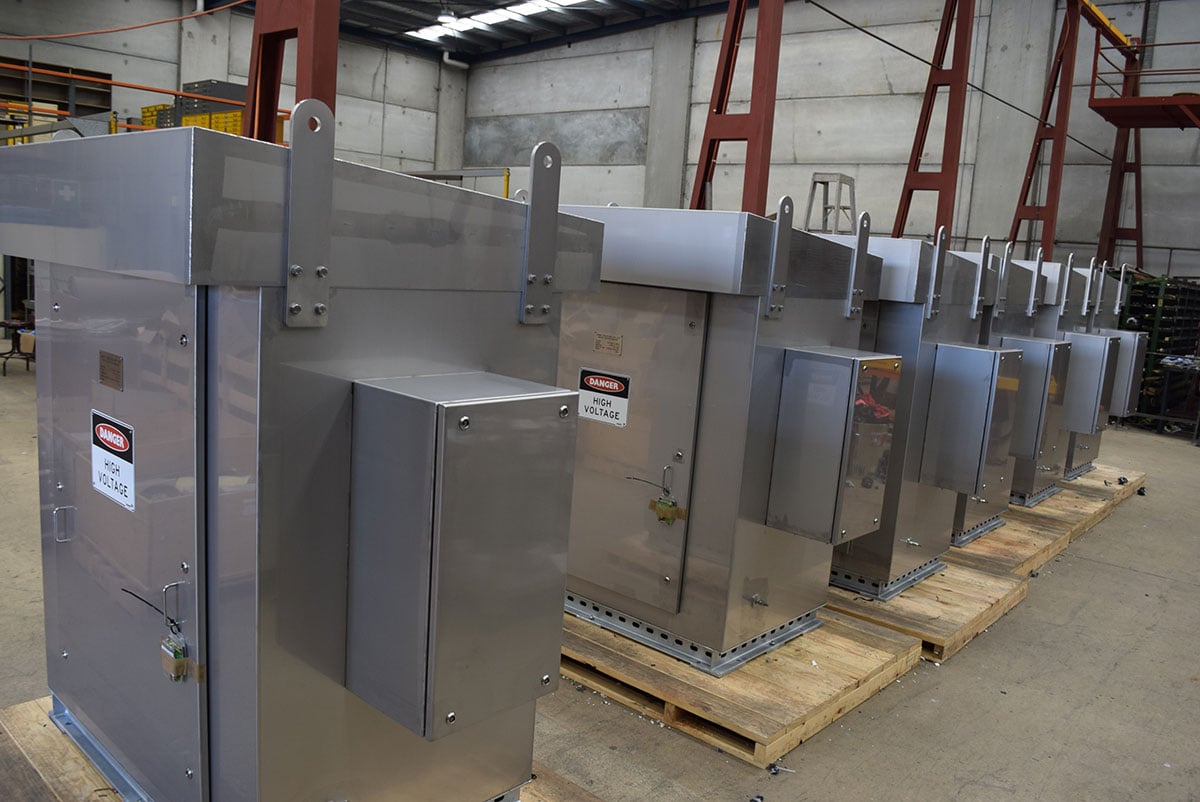
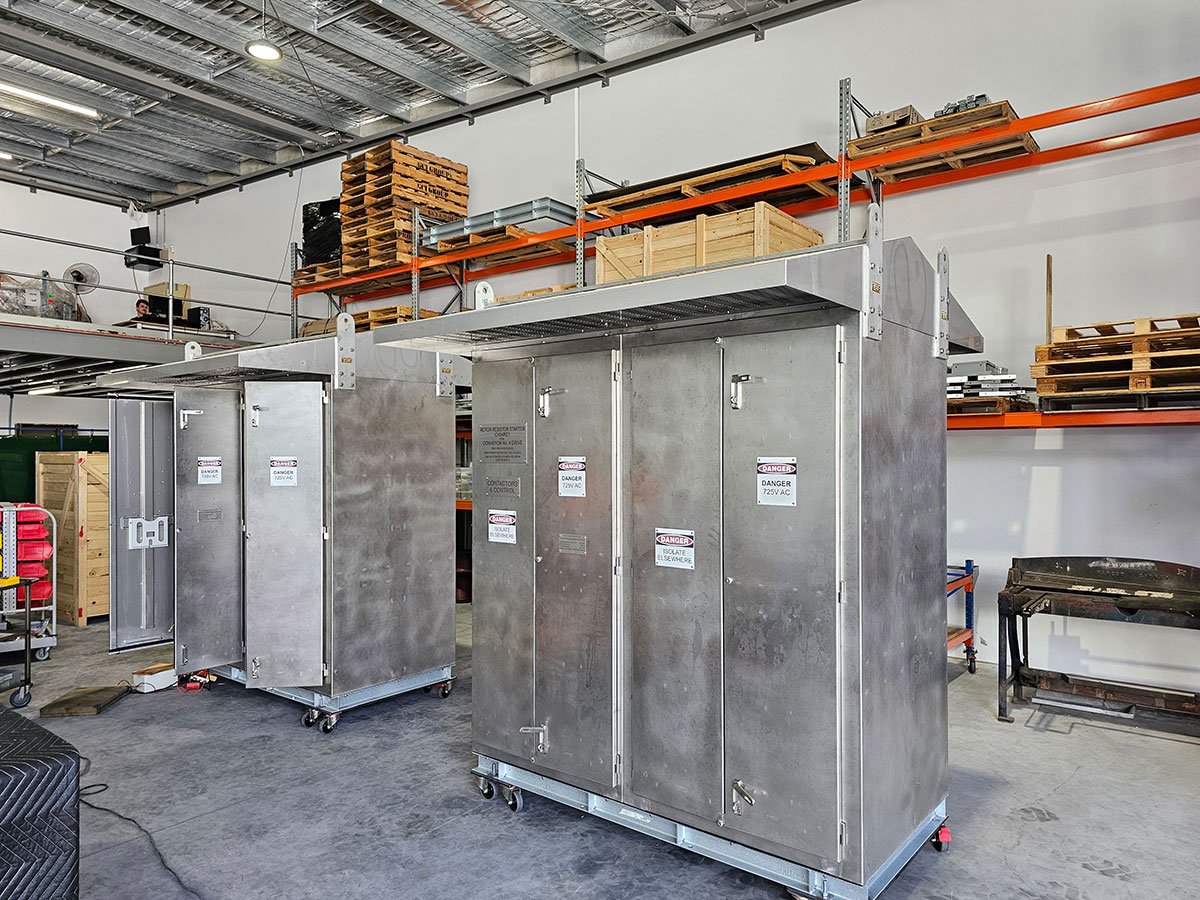
- 304 Stainless Steel
- 2 mm thick construction
For corrosive environments, 316 stainless steel may also be considered. Stainless steel enclosures provide excellent durability and corrosion resistance.
Paint Colour
Manufacturers often offer custom powder-coated finishes.
Common requests include:
- Light Grey RAL 7035
- Signal Grey RAL 7004
- Custom site-specific colour
Including the preferred colour in the RFQ helps avoid delays and variation costs.
Site ambient conditions
Usually around 45-50°C.
Consider to specify a sunshield for outdoor particularly where equipment is installed in direct sunlight. Australia's high solar radiation and ambient temperatures can significantly increase internal enclosure temperatures beyond the nominal ambient design temperature.
7. Optional Components and Accessories
Many NER systems include additional equipment to improve protection, monitoring, and operational flexibility.
Is a Current Transformer (CT) Required?
A Current Transformer is commonly installed with the NER to measure fault current and provide signals to protection relays. Many protection schemes depend on CT feedback for accurate fault detection.
Is a Sensing Resistor Required?
A sensing resistor may be required when continuous monitoring of the earthing path is needed. These devices work with NER monitoring systems to verify resistor integrity.
Is a NER Monitor Required?
Modern installations increasingly specify a Neutral Earthing Resistor Monitor. These devices continuously monitor:
- Earth fault current
- Neutral-earth voltage
- Resistor condition
- Open-circuit failures
A failed NER can leave a power system unprotected, making continuous monitoring highly valuable.
Are Anti-Condensation Heaters Required?
Anti-condensation heaters are recommended for outdoor or high-humidity environments where moisture buildup could affect component reliability.
They are commonly specified for:
- Mining sites
- Coastal installations
- Water treatment facilities
- Outdoor substations
Is a Disconnect Switch Required?
A disconnect switch allows safe isolation of the resistor for testing and maintenance.
Benefits include:
- Simplified maintenance procedures
- Improved safety
- Reduced downtime
Many utility and industrial applications include this option as standard.
Is a Vacuum Contactor Required?
Some installations require automatic switching or controlled grounding arrangements. In these situations, one or more vacuum contactors may be integrated into the NER package.
8. Specifications
NERs are designed to:
IEEE C57.32a-2020, IEC 60076-25, AS/NZS 60076-25, and AS/NZS 2081-2011.
Enclosures can also be designed for AS 1170 wind, seismic
Neutral Earthing Resistors Quotation Checklist
✅ System Voltage (kV)
✅ Rated Fault Current (A)
✅ Fault Duration (typically 10 seconds)
✅ Continuous Current Rating (if required)
✅ Resistance Value (Ω)
✅ IP Rating (IP23 or IP54)
✅ Enclosure Material (typically 304 stainless steel, 2 mm thick)
✅ Paint Colour
✅ Current Transformer Required?
✅ Sensing Resistor Required?
✅ NER Monitor Required?
✅ Anti-Condensation Heaters Required?
✅ Disconnect Switch Required?
✅ Vacuum Contactor Required?
✅ Indoor or Outdoor Installation?
✅ Site Ambient Conditions?
✅ Specifications?
Providing this information upfront significantly reduces engineering revisions and accelerates quotation turnaround.
Conclusion
A properly specified Neutral Earthing Resistor is essential for protecting electrical infrastructure, improving safety, and ensuring reliable power system operation. The key to obtaining an accurate quotation is providing complete technical information from the start, including voltage, current, fault duration, resistance value, enclosure requirements, and optional monitoring or switching equipment.
If you're planning a new installation or replacing an existing NER, prepare your specification using the checklist above and consult an experienced manufacturer or power systems specialist. The more detailed your requirements, the faster you can receive a compliant design, accurate pricing, and a solution tailored to your application. Contact your preferred NER supplier today and request a detailed engineering quotation.
A Neutral Earthing Resistor (NER), also known as a Neutral Grounding Resistor (NGR), is one of the most important protection components in medium-voltage and high-voltage electrical systems. It limits earth fault current, protects critical assets, reduces equipment damage, improves personnel safety, and helps maintain system reliability.
Whether you're designing a new power distribution system, upgrading an existing network, or requesting pricing from a manufacturer, understanding the key technical requirements is essential. This guide explains how NERs work, why they matter, and what information suppliers need to provide an accurate quotation.
What Is a Neutral Earthing Resistor?
A Neutral Earthing Resistor is connected between the neutral point of a transformer or generator and earth. Its primary role is to limit the magnitude of ground fault current during a phase-to-earth fault while still allowing protection systems to detect and isolate the fault effectively.
Without proper grounding resistance, fault currents can reach extremely high levels, causing:
- Transformer damage
- Generator winding failures
- Arc flash hazards
- Switchgear damage
- Extended downtime
- Increased maintenance costs
By controlling fault current, a properly selected NER helps extend equipment life and improve overall system stability.
Why Neutral Earthing Resistors Are Used
Modern industrial facilities, mining operations, utilities, renewable energy plants, and substations rely on NER systems because they provide:
Enhanced Personnel Safety
Limiting earth fault current reduces dangerous touch voltages and arc flash energy.
Equipment Protection
NERs reduce thermal and mechanical stress on transformers, generators, cables, and switchgear during fault conditions.
Improved System Reliability
A controlled fault current enables protective relays to identify and clear faults faster and more accurately.
Reduced Repair Costs
Limiting damage at the fault location significantly lowers maintenance and replacement expenses.


.jpg?width=1200&name=OR220530-(18).jpg&hsLang=en)
.jpg?width=1200&name=OR220616-PHOTOS-(87).jpg&hsLang=en)
.jpg?width=1200&name=OR220612-NER-(9).jpg&hsLang=en)